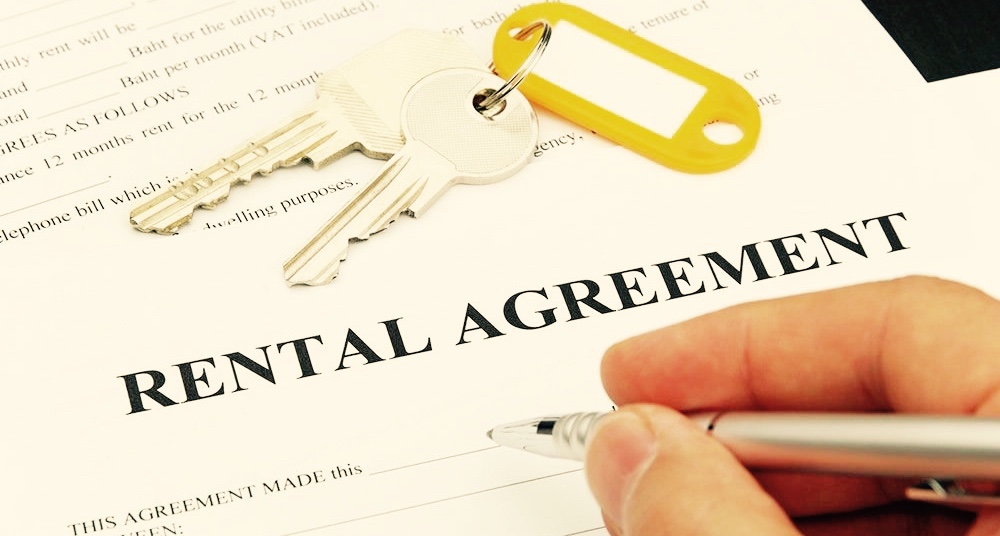
Renting out property means that you get to use something that doesn’t belong to you. The landlord (the person who owns the property) and the tenant (the person who is using it) have to make a special agreement called a lease.
In the lease, they decide how long the tenant can stay on the property, if the tenant has to pay money or do something else to use the property, and what rules they both have to follow. They also decide who pays for things like water, electricity and taxes. The tenant needs to pay the rent on time and take care of the property. The landlord needs to give the tenant access to the property and make sure it is safe. If either of them don’t do what they agreed on in the lease, they can be in trouble. Before the tenant moves in, the landlord and tenant might check the property together to make sure nothing is broken or damaged. The tenant might have to give the landlord a rental deposit too. This is money that the landlord can use to cover any damages done to the property while the tenant is living there. If everything is in good shape when the tenant moves out, then the tenant will get their deposit back.
Q: What is a lease?
It is an agreement between an owner of immovable property (called the “Lessor”) and a tenant (also called a “lessee”). These two must agree that a named property is to be let out to the tenant for occupation in return for value. The value can either be money or a stake in a business being run at the premises. Other matters you should also seek agreement on when you enter into a lease agreement are:
- Duration of the lease
- Whether the number of people who stay on the property will be limited.
- When and how periodic inspections will be done.
- Date for rental payments and,
- Payment of city council taxes, electricity, and water,
- And whether a rental deposit will be paid.
- or whether the premises can be altered or modified.
A lease can be verbal, that is, not reduced down to paper and signed. However, most problems between landlords and tenants emanate from failing to reduce rent agreements into writing.
Both the landlord and tenant walk away from the negotiation table with a different version of what the agreement was. These differences later become the source of disputes and a sour relationship.
Q: Renting out property that is not yours?
If you are not the landlord you can only rent out someone else’s property if you have a prior agreement with the actual owner to do so. For example where you have a lease agreement that allows you to sub-lease. Another example is the case of estate agents. Executors of estates may also rent out a property and remit the money to the estate. In any other situation it is unlawful to rent out property that does not belong to you.
Q: So what are the landlord’s duties toward the tenant and property?
A: Most landlords make the mistake of assuming that because the property is theirs, they can behave however way they want. They will easily justify unacceptable behaviour by saying the property is mine if the tenant is not happy he/she must move. It is in the context of such problems that the law intervenes and places some obligations upon the landlord. The landlords’ obligations are to:
- To give the tenant full access to the property rented and guarantee that the tenant will not be bothered by anyone about his/her occupation of the property.
- The landlord must also guarantee that the premises are safe for residence or commercial use, depending on what the lease is for (residential and commercial).
So what should happen before occupation is handed over, is for the landlord and tenant to take an inventory of the state of the property. So that when the lease comes to an end, it is easy to tell what was damaged before or during the occupation.
Q: What are the tenant’s duties toward the landlord and property?
- A tenant’s first and foremost duty is to pay rentals on time, if not within 7 days of the agreed date. To fail to do so is to breach the agreement to its very core.
- To use the property strictly per the agreed purpose. If parties agree that the property is rented out for a residential/ commercial purpose, the purpose must be observed.
- To keep the property in a state of good repair, maintain it in the state you got it.
Breaching any of these duties entitles the landlord to cancel the agreement and seek eviction from the Courts.
Q: How do you terminate a lease agreement legally?
The law looks with disgust at landlords who take the law into their own hands. It is not legal for a landlord to employ tactics to drive a tenant out. Tactics such as changing the locks on entrances or taking household property or stock out of the premises.
These behaviors are properly described as instances of “taking the law into your own hands”.
When this happens the landlord must be reported to the police first, so that they are made aware of the illegality they are committing. The other remedy is to make an application to Court for a spoliation order. This is a remedy specifically designed for situations like that.
So what should happen when you know that the tenant is likely to refuse to leave amicably, you serve them with reasonable notice to vacate the premises. In residential leases reasonable notice is 3 months. Then seek eviction from a Court. It is the Messenger of Court who will apply the force if necessary. The Messenger is allowed to break down doors, and take out the property if a tenant refuses to cooperate.
Q: Why do we pay rental deposits before using the property?
The purpose of a rental deposit is to cover the cost of any damages done to the property during the lease. If there is no damage, the tenant is entitled to be reimbursed their money at the end of the lease.
Rental deposits are usually set at the same fee as the actual rental. So if the rental is set at US$ 300 you may be required to pay US$600, and the other US$ 300 becomes a rental deposit. This is a common practice amongst estate agents.
The author of this snippet is Simon Flemming Mutandi, a lawyer who writes in his personal capacity. The purpose of these pieces is to share insights into the law. The language and content is simplified to give the reader a digest of complex legal issues that apply in different factual situations. For more information contact 0783475020 or email simonflemming1@gmail.com.
 The Legal Digest